
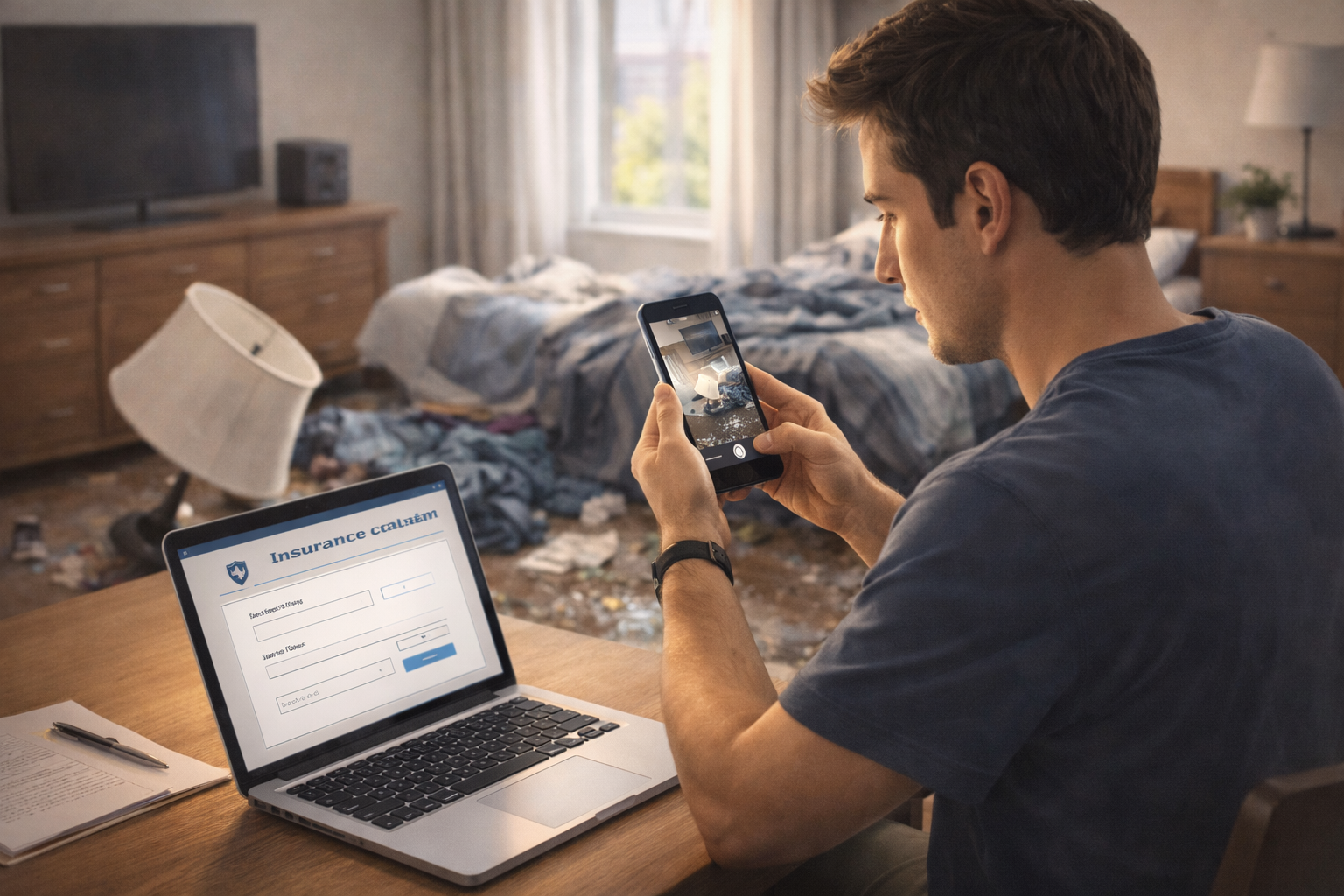


When I was a college renter, I didn’t think of myself as someone who needed insurance.
Insurance felt like an “adult problem.” I was just trying to survive classes, rent, and groceries.
Looking back, that mindset wasn’t just naïve — it was risky.
This article is about why college renters consistently underestimate risk, why I made the same mistakes, and what actually changed my thinking after living through real losses and real consequences.
Why Renters Insurance Feels Irrelevant to Students
When you’re a student, your life feels temporary.
-
Temporary housing
-
Temporary furniture
-
Temporary lifestyle
I told myself:
-
“I’ll only be here for a year.”
-
“I don’t own much.”
-
“Nothing bad will happen.”
That sense of impermanence creates a dangerous illusion:
If everything is temporary, nothing needs protection.
That illusion is exactly why students get burned.
My First Off-Campus Apartment: Confidence Without Awareness
My first off-campus apartment felt like freedom.
No dorm rules. No resident advisors. No curfews.
What I didn’t realize was that freedom also meant:
-
Full responsibility for my belongings
-
Full liability for accidents
-
No institutional safety net
In dorms, universities often carry some level of coverage.
Off-campus rentals are different.
Once you sign a lease, you are on your own.
“I Don’t Own Anything Valuable” — The Most Common Student Mistake
This is the sentence I hear most from students.
I said it too.
But when I actually listed what I owned, the numbers surprised me.
| Item | Estimated Value |
|---|---|
| Laptop | $1,200 |
| Phone | $900 |
| Headphones | $250 |
| Clothes & shoes | $2,000+ |
| Desk & chair | $600 |
| Books & supplies | $500 |
Suddenly, “nothing valuable” became several thousand dollars.
Students don’t lack value — they lack visibility.
Shared Housing Multiplies Risk (Quietly)
Most students don’t live alone.
Roommates mean:
-
More people coming and going
-
More guests
-
More shared responsibility
-
More chances for accidents
I once had a roommate leave a candle burning overnight.
Nothing happened — but it could have.
If something had happened, responsibility wouldn’t have been shared emotionally — it would have been shared legally.
Renters insurance doesn’t just protect your stuff.
It protects you in shared environments where control is limited.
Liability: The Risk Students Never Think About
When I was a student, I thought liability was something rich homeowners worried about.
That was wrong.
If:
-
A guest trips and gets injured
-
You accidentally damage another unit
-
Water leaks from your apartment
-
A roommate’s action is traced back to your space
You can be held responsible.
Without renters insurance, that responsibility is personal.
This realization hit me later than it should have — and it changed how I saw “cheap student insurance.”
Dorms vs. Off-Campus Housing: A Critical Difference
Many students assume their parents’ homeowners insurance covers them everywhere.
Sometimes it does — sometimes it doesn’t.
Here’s the simplified reality:
| Living Situation | Parental Policy Coverage |
|---|---|
| Dorm room | Often limited coverage |
| Off-campus apartment | Often excluded |
| Shared rental house | Usually excluded |
| Liability claims | Rarely covered |
Relying on assumptions here is dangerous.
Why Student Renters Insurance Is Actually One of the Best Deals
Ironically, students often get some of the lowest renters insurance rates.
Why?
-
Younger age
-
Fewer past claims
-
Smaller apartments
-
Lower coverage needs
Many student policies cost less than a streaming subscription.
The problem isn’t affordability.
It’s awareness.
What I Would Do Differently as a Student Renter
If I could go back, here’s what I would change immediately:
-
Buy renters insurance the moment I signed a lease
-
Choose replacement cost coverage
-
Set liability limits higher than minimum
-
Photograph my belongings once a year
-
Stop assuming my parents’ policy covered everything
None of these require wealth.
They require understanding.
What I See Other Students Struggling With Nationwide
Across campuses and forums, the same problems repeat:
-
Assuming roommates’ insurance covers everyone
-
Skipping insurance to save $10–$15/month
-
Not understanding deductibles
-
Filing first claims unprepared
-
Being shocked by uncovered losses
These aren’t intelligence problems.
They’re information gaps.
The Emotional Cost of Being Uninsured as a Student
Money matters — but stress matters too.
Students already deal with:
-
Academic pressure
-
Financial uncertainty
-
Transitional living
Adding a preventable loss on top of that can be overwhelming.
Insurance doesn’t remove risk —
it removes panic.
A Simple Rule for Student Renters
This is the rule I wish someone had given me:
If you live off-campus and own a laptop, you need renters insurance.
It really is that simple.
Final Thoughts: Being a Student Doesn’t Mean Being Protected
College renters underestimate risk not because they’re careless —
but because no one explains responsibility clearly.
I learned through experience that being young doesn’t reduce consequences.
It just delays awareness.
Renters insurance isn’t about expecting disaster.
It’s about protecting momentum when life is already demanding.
And for students, momentum matters more than almost anything else.

Leave a Reply