


Introduction – Realizing Renters Insurance Isn’t Just Optional
I never thought I’d need renters insurance when I first moved out of my parents’ house. “I’m careful, nothing will happen,” I told myself. But after a minor kitchen fire in my first apartment and a subsequent broken laptop theft in my second, I learned the hard way: renters insurance is not just a formality — it’s essential for anyone renting a home in the U.S., even if you think you’re careful.
This article is my personal journey through understanding who really needs renters insurance, why it’s often overlooked, and how to make sure you’re covered properly.
My First Encounter – When I Thought I Didn’t Need Insurance
When I signed my first lease, I assumed my landlord’s insurance would cover everything. Big mistake. I didn’t realize that landlord insurance only protects the building, not my personal belongings.
After my neighbor accidentally flooded my apartment during a pipe leak, I had no coverage for my electronics, furniture, or clothing. I felt helpless and frustrated — and angry at myself for not reading the fine print. That’s when I began asking myself: Who actually needs renters insurance, and why did I ignore it?
Who Needs Renters Insurance?
Based on my experience and nationwide trends, here’s a breakdown:
| Type of Renter | Why Insurance Matters | My Reflection |
|---|---|---|
| Students in dorms or apartments | Limited possessions but often high-value electronics | I wish I had coverage for my laptop during my college years; one stolen laptop could’ve ruined my semester |
| Young professionals | Expensive tech and furniture, liability risk | My first city apartment taught me liability coverage is crucial when hosting friends |
| Families in rented homes | Kids, pets, and larger assets | Floods or accidents could become costly; insurance gives peace of mind |
| Short-term renters / Airbnb tenants | Temporary stays with valuable belongings | Even short-term, a theft can happen — coverage matters |
| People living in high-risk areas | Natural disasters, crime-prone neighborhoods | My first city apartment was in a high-theft area; I ignored this at first and paid the price |
| Anyone with roommates | Shared responsibility for property and accidents | Liability and coverage for shared items is often overlooked |
From my perspective, anyone renting anywhere in the U.S. with possessions worth replacing or liability exposure is a candidate for renters insurance. It’s not just “nice to have” — it’s protection against financial disasters you can’t predict.
Common Misconceptions About Eligibility
Many renters I’ve met online and offline believe only expensive apartments or high-income individuals need insurance. Here’s what I learned:
-
Landlord coverage ≠ your coverage
My first apartment made me painfully aware of this. Landlord insurance will fix the building, not my couch, laptop, or clothes. -
Renters insurance is cheap for a reason
Even with a modest plan, your possessions are covered, liability is included, and monthly premiums are often less than a Netflix subscription. -
Eligibility is simple, but applications are tricky
Most U.S. insurance companies only require you to rent a property, live in it, and be legally an adult. Sounds simple — but I once got rejected temporarily because I hadn’t updated my mailing address. Small administrative details matter.
My Experience Applying for Coverage
When I applied for my second apartment, I decided to do it right. Here’s my step-by-step approach, including some lessons:
| Step | My Approach | Lessons Learned |
|---|---|---|
| Step 1: Inventory My Belongings | Took photos, recorded serial numbers, kept receipts | Documentation is lifesaving during claims |
| Step 2: Check Landlord Requirements | Some landlords require minimum liability | Always align policy limits with lease terms |
| Step 3: Compare Providers | Looked at multiple insurers online | Customer service and claim process vary greatly |
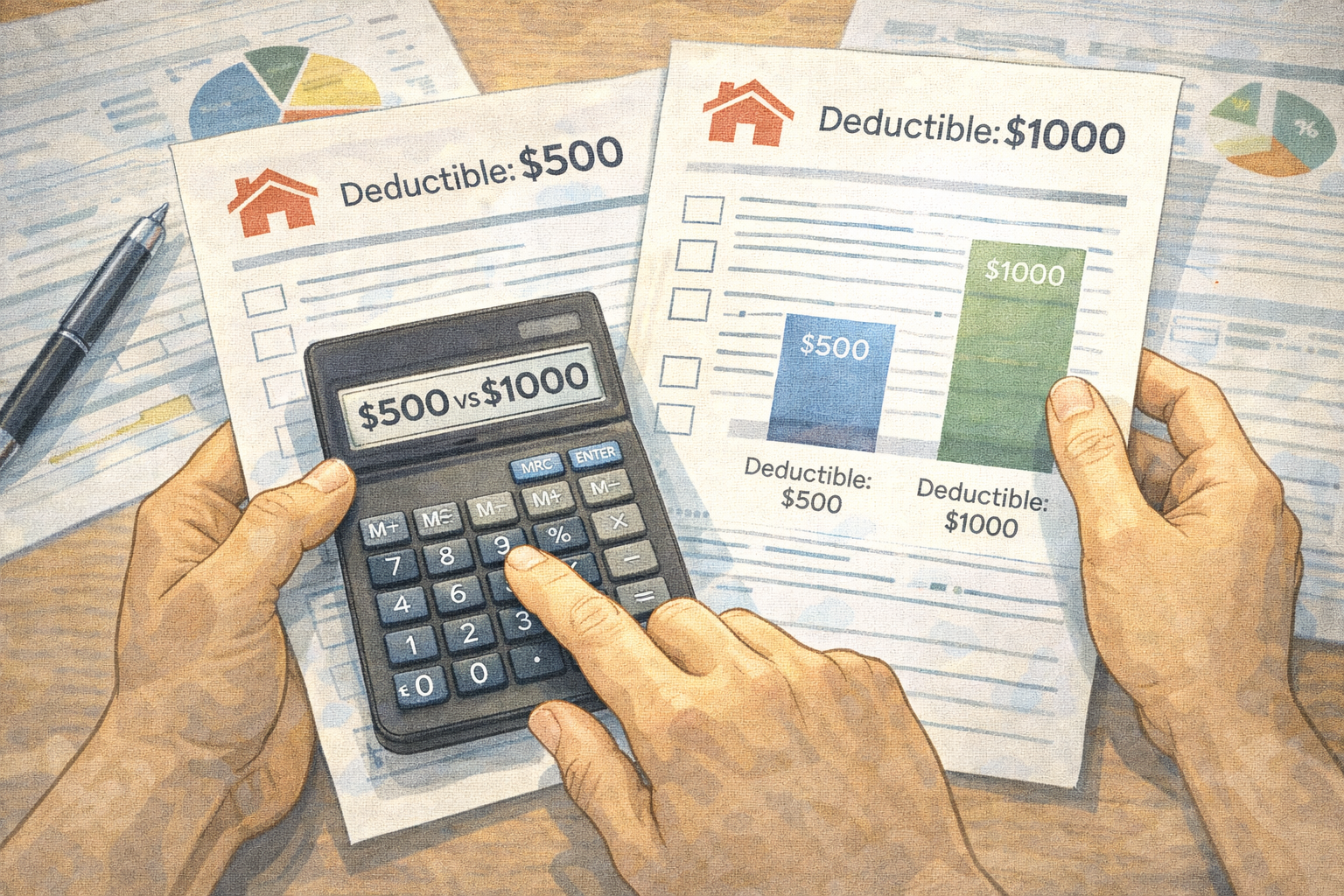
| Step 4: Choose Deductible & Limits | Balanced monthly cost with realistic payouts | Too high deductible = pain during claims |
| Step 5: Add Riders for High-Value Items | Included my camera and laptop | Extra $10/month saved thousands later |
| Step 6: Review Exclusions | Flood, earthquake, mold | Know what’s not covered to avoid surprises |
By following this, I finally felt confident — unlike my first experience, which left me stressed and under-protected.
Common Issues U.S. Renters Face Regarding Eligibility
-
Assuming eligibility is automatic
Some renters think just signing a lease qualifies them; insurers require applications and payment. -
Overlooking age and residency requirements
I once helped a roommate who was under 18 realize he couldn’t get coverage in his name — it had to be a co-signer. -
Confusing landlord obligations with personal coverage
My repeated advice: read the lease and check what the landlord actually insures. -
Skipping the fine print on roommates
Liability and personal property coverage can get tricky when multiple tenants live together.
Practical Tips Based on My Experience and Nationwide Insights
-
Document your stuff immediately: I can’t stress this enough. Photos, serial numbers, receipts — even small items.
-
Check landlord requirements: Some leases require $100,000+ liability coverage. Missing this can create conflicts.
-
Add riders if needed: Electronics, jewelry, musical instruments — riders can prevent future headaches.
-
Compare multiple providers: Pricing is competitive, but customer support and claim processes differ widely.
-
Update your policy annually: My belongings increased, and so did my coverage needs.
Reflection – How My Experience Evolved
When I first thought I didn’t need renters insurance, I paid the price. Minor accidents, theft, and damages left me financially and emotionally drained. After upgrading my plan and learning who really needs coverage, I felt empowered.
-
Before: Frustration, fear, stress during claims
-
After: Confidence, clarity, and peace of mind
Now, whenever I move or upgrade my possessions, I treat renters insurance as a part of my move-in checklist, not a bureaucratic nuisance.
Conclusion – Who Really Needs Renters Insurance
If you’re renting in the U.S., you should consider these questions:
-
Do I own items I’d struggle to replace?
-
Could I face liability if someone is injured in my home?
-
Am I living in an area prone to theft, fire, or other risks?
-
Do I have roommates or lease obligations requiring coverage?
If you answered “yes” to any of these, you need renters insurance. Take it from someone who learned the hard way: the cost is minimal compared to the peace of mind and financial protection it provides.

Leave a Reply