Renters Insurance for Short-Term Leases, Sublets, and Furnished Apartments
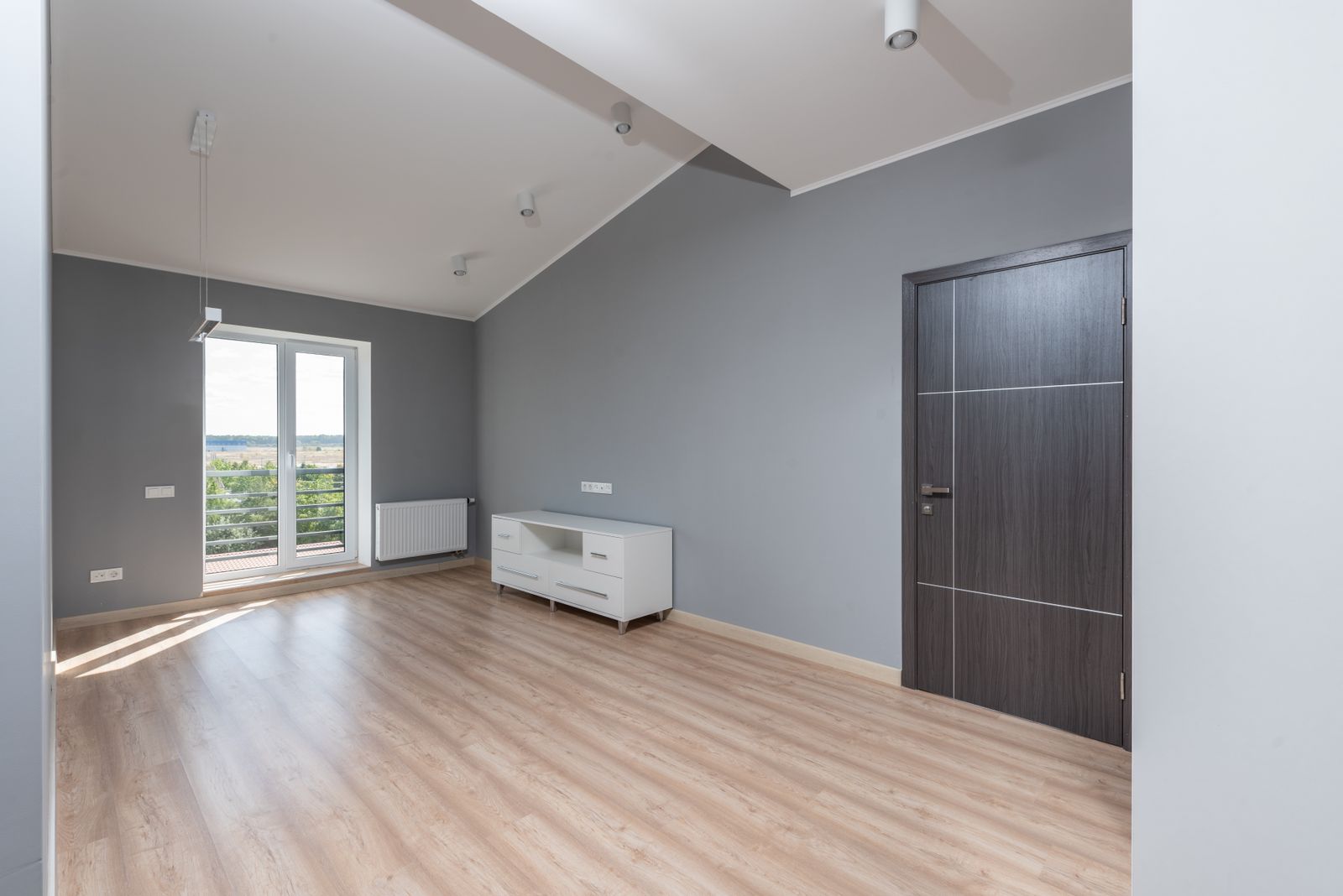
Short-term renting has its own insurance physics. The lease is different, the property ownership is different, the move rhythm is different, and the standard move-in checklist does not quite apply. Yet the risks, fire, theft, liability, a flooded floor, are identical to any other tenancy. Here is how renters insurance translates to temporary and furnished living, and where the gaps hide.
Month-to-Month Leases: Full Coverage, Flexible Terms
Month-to-month tenancy changes nothing about insurability. Renters insurance is itself month-to-month at heart: policies run continuously and cancel on request with pro-rated refunds. A tenant on a rolling lease buys standard coverage and cancels whenever the arrangement ends. The only adjustment is administrative: set a reminder to re-check the policy at any move, because rolling leases move more often and coverage that followed the last address does not follow the next one automatically.
Pricing is unaffected by lease length; carriers price the address and the household, not the term. What does matter is honesty about the tenancy: if you are renting for six weeks, say so when quoting, because some carriers have minimum-term preferences and short-term pricing quirks worth knowing before purchase rather than after.
Furnished Units: You Insure Less Property but the Same Liability
Furnished apartments invert the property math. The landlord owns the sofa, the beds, the television. Your belongings are the smaller residue: clothing, electronics, kitchen items you added, personal effects. A ten-thousand-dollar property limit may genuinely fit, which lowers the premium accordingly. Do not let the furnished unit talk you out of liability coverage, though; the lease clause is about your liability, and a kitchen fire in a furnished unit damages a lot of landlord-owned value very quickly.
The furnished-unit trap is the boundary line. That “fully equipped kitchen” belongs to the owner, but the knife set you brought does not. Inventory what is yours before moving in, photograph the landlord’s condition report, and keep the two lists separate in your head and your documentation. The end-of-lease damage conversation runs on exactly this distinction.
Sublets: Two Insured Parties, One Address
A legal sublet creates a stack: the original tenant holds the lease, you occupy the unit, and neither of you is the other’s family. Insurance follows the stack precisely. The master tenant’s renters policy covers their belongings and their liability; your belongings need your own policy, and your liability toward the property needs you to be an insured somewhere.
The failure mode is the informal assumption: “the place is covered.” It is covered, for the policyholder, under their policy. A subletter who causes a fire without their own coverage creates an unfunded liability that lands on everyone: the master tenant’s policy may respond under their liability, then the landlord pursues the leaseholder, and the subletter who thought they were covered was actually just uninsured with good intentions. Twenty minutes and fifteen dollars closes this gap permanently.
Corporate Housing and Employer Arrangements
Corporate housing, serviced apartments, extended-stay arrangements billed to an employer, adds an organizational layer. The company may carry property coverage for its assets and liability for the premises, but your personal belongings and personal liability remain yours. Relocation packages sometimes include a personal-property allowance or a group policy; check the relocation documents before buying duplicate coverage, and if nothing is provided, a standard policy for the assignment duration is the right move.
One practical note for international assignees: some foreign-issued policies do not travel, and some US carriers underwrite unfamiliar credit and housing situations reluctantly. Carriers with military and expat experience handle these files smoothly; mention the arrangement at quote time.
Vacation Rentals and the Guest Gap
Living in a short-term rental as a guest, the thirty-day corporate stay, the seasonal rental, sits in a gray zone between travel and tenancy. Stays under a couple of weeks are travel, and your belongings may fall under a homeowners policy if you have one, or need travel insurance. Longer stays become tenancy in substance: you have moved, and renters insurance is the correct frame. Length and intent, not the paperwork label, decide the category.
| Arrangement | Property coverage | Liability | Watch out for |
|---|---|---|---|
| Month-to-month lease | Standard policy | Standard | Update address at moves |
| Furnished unit | Smaller limit fits | Still required | Yours vs landlord’s boundary |
| Legal sublet | Your own policy needed | Your own policy needed | Assuming “the place is covered” |
| Corporate housing | Often provided, verify | Personal liability still yours | Duplicate coverage |
| Vacation stay 30+ days | Renters frame applies | Yes | Travel vs tenancy gray zone |
The Move-Rhythm Problem: Coverage That Follows You
Short-term renters move often enough that address updates become a recurring task, and the recurring task is where gaps breed. The habit that fixes it: update the carrier the week of every move, confirm the new certificate reflects the new address, and let the interested-party listing follow if a lease requires one. Modern carriers handle address changes in-app in minutes. The coverage is portable; the paperwork only stays portable if you feed it.
Cancellation Timing for Short Stays
When a short tenancy ends, cancel the policy effective the day after you vacate, not the day you leave. The last night in an empty apartment is still a night with liability exposure, and belongings in the moving car are covered personal property wherever they sit. Then confirm the cancellation in writing and expect a pro-rated refund of unused premium. The one-month policy that ran three weeks refunds cleanly, and the refund is a small, satisfying coda to a properly handled short-term tenancy.
Roommate-Free by Design: The Solo Subletter’s Clean Setup
Short-term tenants have one advantage over shared households: a clean insurance perimeter. One person, one policy, one inventory, no named-insured ambiguity. The setup takes twenty minutes: buy standard coverage effective move-in, list only yourself, inventory your belongings on arrival video, and confirm the interested-party listing if the sublease requires one.
That clean perimeter is worth protecting through the tenancy: do not add informal long-term guests to the lease-equivalent of insurance, do not insure belongings you are storing for others, and cancel coverage the day after you vacate. Short-term renting rewards administrative tidiness because the timeline leaves no room for drift.
What Happens to Your Deposit When Insurance Should Have Paid
Move-out damage in furnished and short-term units runs through the deposit system, which tenants repeatedly mistake for an insurance claim. They are different systems with different rules: deposit deductions are contractual and governed by tenancy law with strict deadlines; insurance claims require covered perils and fault. A landlord withholding a deposit for a broken chair is not filing a claim; they are exercising a lease remedy.
The distinction protects you in both directions. Normal wear deductions are not your liability claim to defend, and landlord negligence damage to your belongings is not a deposit fight to have. Knowing which system a dispute belongs to prevents the common failure: weeks of deposit arguments over something your liability carrier would have handled, or an insurance claim filed for a deduction that was never a covered loss.
The Address Churn Problem and the Carrier App
Short-term renters change addresses at a rate that breaks paper-era insurance habits, which is why carrier choice matters differently here: app-based policy management, in-app address changes, instant certificates, and digital ID cards are not conveniences for this segment; they are the product. Before buying for a short tenancy, test the carrier’s app flow, because the carrier you can update in ninety seconds between moves is the one whose coverage actually follows you.
The same logic applies to cancellation: short-term tenants terminate policies several times more often than lease tenants, and a carrier that makes cancellation slow or phone-only taxes every move. The review sites mention this rarely; the app store ratings mention it constantly, which is the right place to check.
Storage Units and the 10 Percent Trap, Revisited for Movers
Short-term renters use storage disproportionately: between-lease gaps, furnished-unit surpluses, semester breaks. Most policies cap off-premises coverage, often at ten percent of the property limit, which on a ten-thousand-dollar limit leaves a storage unit holding a thousand dollars of protection against three thousand dollars of furniture.
Before loading the unit, check the cap and price the fix: raised limits or a storage endorsement costs a few dollars and closes a gap that movers routinely carry for years. Photograph the unit’s contents when loading, keep that video in the same cloud folder as everything else, and the storage chapter of your renting carries the same protection as the apartment itself.
Vehicle-Dwelling Adjacent: Van Lifers and Extended Stays
The rise of van living and extended-stay arrangements tests the renters frame at its edges. Contents coverage follows belongings wherever they are, which means a laptop in a campervan is covered like a laptop anywhere; but liability and loss-of-use assume a dwelling, and vehicle-specific risks need vehicle or specialty coverage.
Part-time van dwellers with a fixed apartment run the standard policy plus common sense. Full-time vehicle dwellers need the specialty market, because the policy form expects walls. The broader principle for every nonstandard housing arrangement: tell the carrier the truth about where you live, because the policy’s promises are built on the address you gave them.
Frequently Asked Questions
Can I get renters insurance for a two-month rental?
Yes. Policies run continuously and cancel on request with pro-rated refunds, so short tenancies are standard business, not a special case.
Does the landlord’s insurance cover a furnished unit’s furniture?
Their building policy covers the structure and usually their contents, but your liability for damaging them is your problem, which is why furnished leases demand liability coverage.
I’m subletting from a friend. Am I covered by their policy?
No, unless you are a named insured. Your belongings and liability need your own policy regardless of friendship.
What if I move mid-policy?
Report the move to the carrier; pricing adjusts to the new address, coverage continues, and the certificate updates. Never let an old address linger on an active policy.